Black Burns Fast delivers a funny, sharp, and at times surprisingly tender look at growing up in a South African context
Review
Black Burns Fast is director Sandulela Asanda’s first feature film. The film was also screened earlier this year (2026) at the Berlin International Film Festival. It’s a story about the challenges queer young people face while growing up and discovering their sexuality. Although this sounds like a sensitive and potentially heavy subject, Asanda handles it with grace and humour.
The story follows 17-year-old Luthando as she navigates her matric year as a learner at an elite school. In contrast to many of the school’s other learners, Luthando comes from a poorer background, having gained access to the school through a bursary. Luthando is used to being at the top of her class and acting as the spokesperson for the school’s bursary programme. When a new learner, Ayanda, arrives at the school, sparks begin to fly. Luthando’s attraction to Ayanda, along with her new friendship with “The Galz” (the popular group of Black girls at the school), draws her attention away from her schoolwork and other priorities. This quickly leads to problems with her academic performance, the status of her bursary, and her relationship with her best friend, Jodie. Her relationship with her mother also comes under fire.
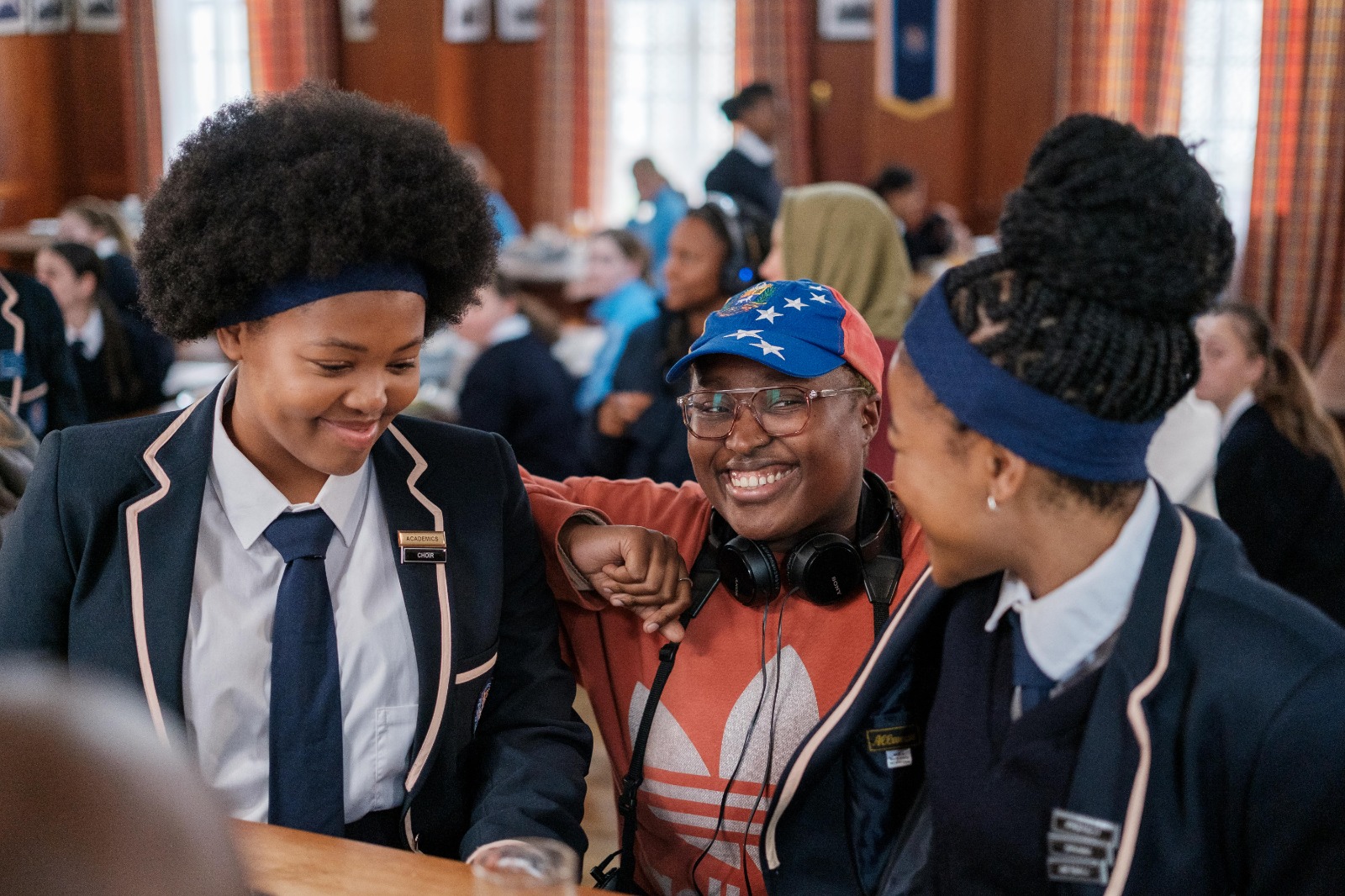
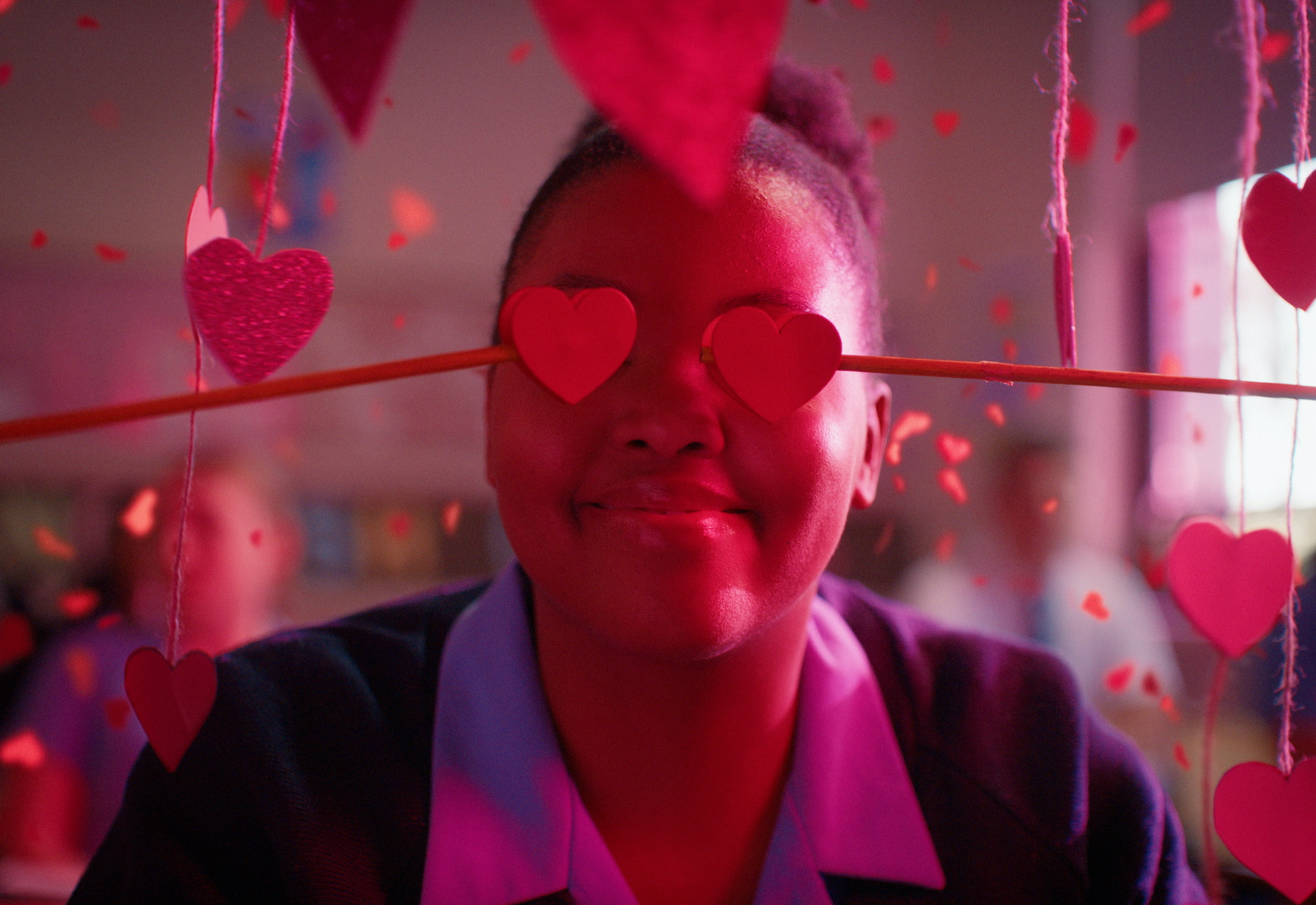
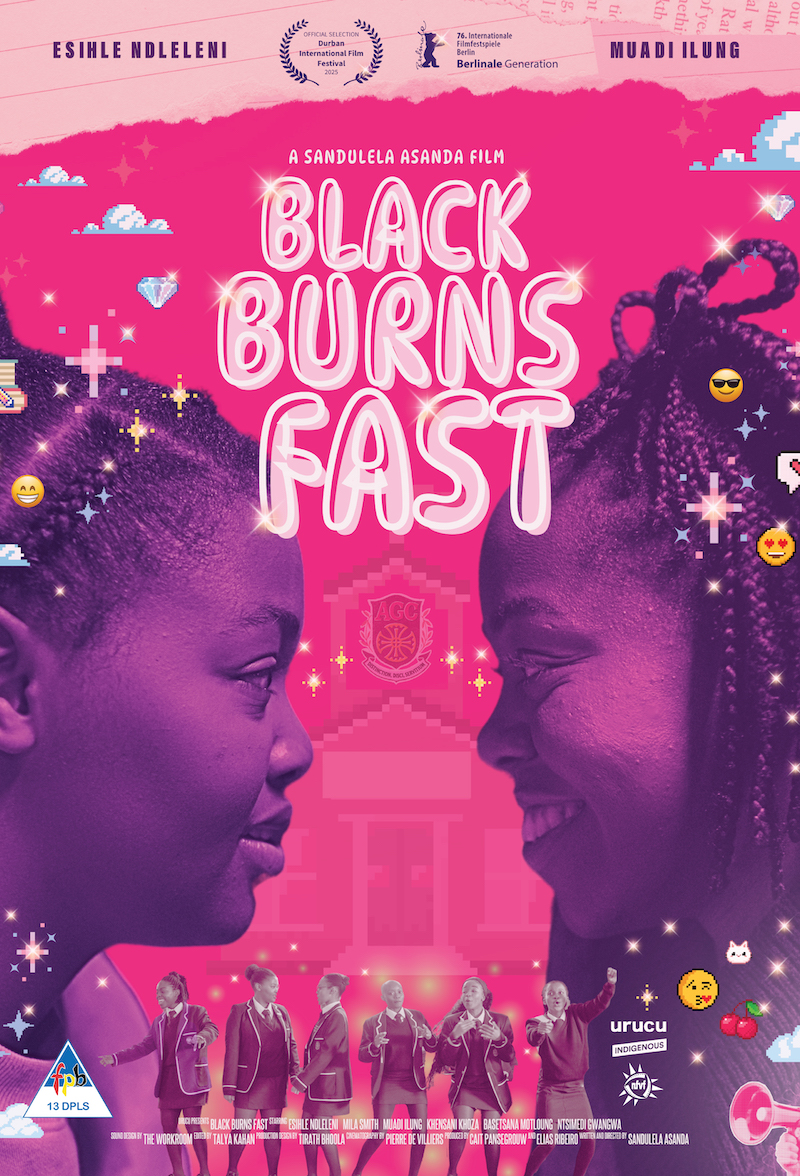
The title sequence, with its comic-book-inspired graphics, immediately introduced me to the style and tone of the film. The use of game-inspired graphics brings lightness to sensitive moments, while a combination of visual and in-camera effects gives the film a unique edge. Pierre de Villiers’ cinematography stands out and suits the story well, also contributing to the humour within the scenes. Michael Botha’s sound design follows the film’s game-inspired style, with sound effects that help complete the film’s mood. However, the pacing, visual effects, and game-like sound effects are quite prominent, and while this gives the film a modern feel, it might not resonate with everyone. The film’s style will entertain younger viewers, while the story and sense of humour will appeal to all ages.
The diverse cast delivers a few stereotypical portrayals of typical South Africans that one would easily recognise in real life, without the film apologising for it. Actors Esihle Ndleleni and Muadi Ilung portray Luthando and Ayanda well. However, it’s actor Mila Smith, who plays Luthando’s best friend Jodie, who shines in several scenes with her perfectly dry, unconventional humour and sincere portrayal of the more emotional moments in the storyline.
The film illuminates important issues such as racism, classism, and sexuality with sensitivity, while still retaining our distinctive, direct South African humour. Although the focus falls on Luthando’s sexuality, it would have been interesting if the film had also explored systemic change, or at least had one white character who deviated from the stereotypes.
The film’s ending is sweet and leaves room for a possible sequel. If you’re in the mood for a bit of a laugh and to remember your own teenage days, this is the perfect film to watch. It is certainly an ode to the poet, Sappho.
Production Information
Age Restriction
13
Cast
Esihle Ndleleni, Muadi Ilung, Mila Smith en Clarissa Theron
Rating
3,5/5
Box Office
See NFVF

Geskryf deur Chanté Gorlt
Chanté Gorlt is ’n deeltydse dosent aan die Tshwane Universiteit van Tegnologie, waar sy spesialiseer in tegniese en kreatiewe dissiplines. Met ’n diep passie vir klank en musiek integreer sy haar entoesiasme in haar onderrig en inspireer sy studente om die dinamiese kruispunt van tegnologie en kreatiwiteit te verken. Haar rol weerspieël ’n toewyding aan die bevordering van innovasie en artistieke uitdrukking binne die akademiese gemeenskap.
More Reviews

This Is How the World Ends – Fiction or Omen?
Review of This Is How the World Ends: Robert dos Santos’ post-apocalyptic debut, released on VHS, asks where you’d spend your last day. Rated
In Silas en die Ysbeer op Tafelberg (Silas and the Polar Bear on Table Mountain), reality and imagination meet in a soulful way — and it isn’t just for children.
Silas en die Ysbeer op Tafelberg turns a polar bear on Table Mountain into a moving South African fantasy about loss, imagination and hope. In cinemas now.
Landmyn: A Heartbreaking Story About Imperfect People
Landmyn review: a raw, moving South African drama about a family reunion that unearths old wounds — with a standout performance from Anna-Mart van der Merwe.

Courses
Acting
Directing
Sound
Cinematography
Producing